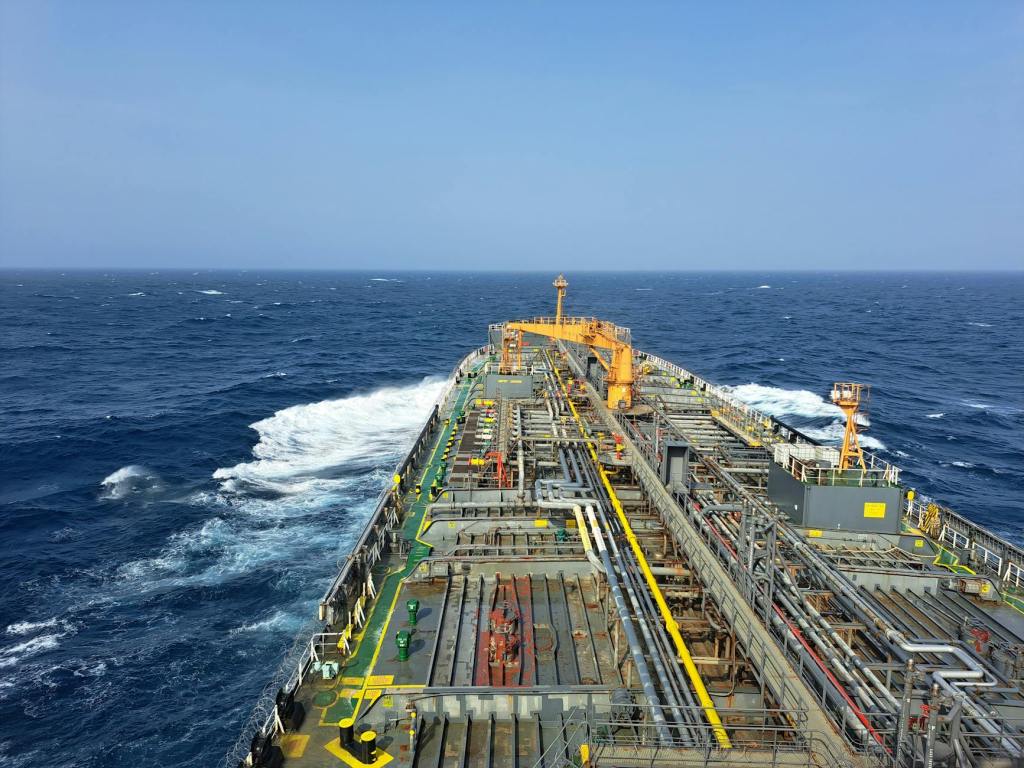
Welcome to the PsiDN Quarterly Risk Countdown, where we rank the most pressing current risks, opportunities, and developments in the maritime industry. This countdown is an overview of some of the major items, considered relevant within a shipowners and operators comprehensive risk management framework, that aims to help strategically navigate the complexities of decarbonization, regulatory compliance, and global market dynamics.
- Collaboration and Industry Initiatives
Opportunities in Collaborative Decarbonization Efforts:
Collaboration is crucial for achieving decarbonization goals. Industry initiatives like the Zero Emission Maritime Buyers Alliance (ZEMBA) are driving demand for zero-emission shipping, creating new opportunities for strategic partnerships and investment in sustainable infrastructure.
Action Point: Engage in industry initiatives to pool resources, share knowledge, and develop new technologies that reduce emissions and lower costs. Collaborate with stakeholders across the value chain to accelerate the transition to greener shipping.
Adapting to Port Infrastructure Developments:
Ports are actively investing in electrification, green fuel bunkering, and digital systems to support sustainable shipping. Aligning with these developments is essential for maintaining efficient operations and ensuring compliance with new regulations.
Action Point: Work closely with port authorities to understand their infrastructure plans and assess how vessel operations can be optimized for compatibility with new green fuel bunkering and electrification facilities.
- ESG Trends and Reputational Risks
Increasing Demands for ESG Transparency:
There is growing pressure from investors, customers, and regulators for enhanced ESG reporting. Companies failing to provide transparent, credible disclosures risk reputational damage and restricted access to capital markets.
Action Point: Strengthen ESG reporting frameworks by adopting recognized standards like the Poseidon Principles and the Sea Cargo Charter. Ensure all disclosures are accurate, consistent, and aligned with corporate sustainability goals.
Proactive Climate Commitments – Balancing Opportunity and Risk:
Companies committing to more ambitious decarbonization targets are gaining competitive advantages, but such commitments also involve significant financial and operational risks.
Action Point: Evaluate the feasibility and impact of setting more aggressive climate targets using risk modeling and scenario planning. Ensure these commitments align with broader corporate objectives to balance opportunities with potential risks.
- Technological Risks and Opportunities
Retrofitting Challenges – Managing Costs and Downtime:
Retrofitting vessels for energy-efficient technologies or alternative fuels can lead to high costs and operational downtime. Increased demand for retrofitting is also causing congestion in shipyards, adding to scheduling challenges.
Action Point: Develop phased retrofitting plans that minimize downtime by aligning upgrades with routine maintenance schedules. Focus on retrofits that offer substantial efficiency gains with manageable costs, such as wind-assist propulsion and energy-saving devices.
Biofuel Integration – Short-Term Emission Reduction:
Biofuels are increasingly being blended with traditional fuel oil, providing a practical short-term solution for emission reduction. Many shipowners are incorporating biofuels into their strategies to lower their carbon footprint and meet regulatory requirements.
Action Point: Consider the use of biofuels as part of an immediate emissions reduction strategy. Evaluate the availability, cost, and impact of biofuel blends on engine performance and maintenance to optimize fuel use across the fleet.
- Procurement Challenges in New Builds and Retrofits
Life Cycle Assessment (LCA) and Sustainability in Procurement:
Decisions around retrofits and new builds now require a full Life Cycle Assessment (LCA) to evaluate their environmental impact from production to end-of-life. These assessments must consider not just the operational emissions but the entire supply chain, from raw material extraction to final disposal.
Action Point: Integrate LCA data into procurement decisions to ensure compliance with ESG standards and minimize the overall environmental impact of new builds or retrofits. Align these decisions with standardized sustainability and carbon emissions reporting frameworks to meet investor and regulatory expectations.
Sustainable Fuel Sourcing – Well-to-Wake Emission Considerations:
Fuel procurement must account for “well-to-wake” emissions, including the total greenhouse gas impact from fuel production through to its combustion. Shipowners need to ensure that their fuel choices align with their decarbonization goals and ESG commitments.
Action Point: Incorporate well-to-wake emission factors into fuel procurement strategies. Consider long-term contracts for biofuels or other low-emission alternatives to ensure a sustainable fuel supply and reduce overall carbon footprint.
- Market Dynamics and Financial Risks
Volatility in Fuel Prices and Biofuel Supply Chains:
The growing use of biofuels in shipping has added another layer of complexity to fuel price volatility. The cost and availability of biofuels can fluctuate due to supply chain disruptions, market demand, and production capacity constraints.
Action Point: Build fuel flexibility into fleet strategies by exploring the use of biofuel blends alongside other fuels. Secure long-term supply agreements for biofuels to mitigate risks related to price volatility and supply disruptions.
Red Sea Transit Risks and Route Diversions:
Ongoing geopolitical tensions in the Red Sea and Gulf of Aden, continue to pose significant risks for shipping routes. Many vessels are being diverted around the Cape of Good Hope instead of using the Suez Canal, leading to longer transit times, higher fuel consumption, and increased security costs.
Action Point: Regularly update route planning to account for geopolitical risks. Incorporate transit risk assessments into operational strategies, considering alternative routes and the associated costs and risks of longer transits.
- Regulatory Developments and Compliance Risks
Upcoming IMO Decisions (MEPC 82 and MEPC 83) – Preparing for Regulatory Changes:
The IMO is expected to discuss new measures at its upcoming meetings that could significantly impact the regulatory landscape, such as stricter emissions targets or the introduction of a global carbon pricing mechanism.
Action Point: Engage in scenario planning to prepare for potential regulatory changes. Use risk modelling tools to forecast emissions liabilities and identify cost-effective compliance strategies, including fleet optimization and investments in new technologies.
FuelEU Maritime Impact – Managing Compliance and Costs:
FuelEU Maritime regulations are already impacting shipowners, mandating fleet-wide energy efficiency measures and emissions reductions. Failure to comply can lead to financial penalties and reduced market access.
Action Point: Develop a comprehensive strategy that includes fleet-wide efficiency improvements, such as optimized route planning, slow steaming, and enhanced maintenance schedules. Thoroughly analyse operational data to identify areas for emissions reduction and ensure compliance with current and future regulations.
A Comprehensive Risk Management Approach to Decarbonization
As the maritime industry continues its decarbonization journey, a comprehensive risk management approach is essential to navigate the evolving landscape effectively. By integrating regulatory compliance, financial resilience, technological innovation, and ESG alignment, shipowners can mitigate risks and seize opportunities for sustainable growth.
PsiDN’s Expertise in Supporting Risk Management for the Energy Transition
At PsiDN, we provide tailored risk management services that go beyond simple performance monitoring. Our quantitative risk modelling approach, strategic insights, and data analytics empower shipowners to make informed decisions, protect investments, and enhance their ESG standing. Stay tuned for the next edition of our Quarterly Risk Countdown, where we will continue to provide critical updates and insights to support your risk management strategies and ESG goals.
 PsiDN - Maritime Risk Insight